




Artificial intelligence isn’t just for younger generations. At Heron’s Key, a Life Plan Community in Gig Harbor, Washington, residents are discovering how tools like ChatGPT can support creativity, storytelling, lifelong learning, and meaningful connections.
When people think about artificial intelligence (AI), they often picture younger generations using it for work, school, or entertainment. But across the country, older adults are exploring how AI can enrich their lives, spark creativity, and help them share their experiences in new ways.
At Heron’s Key, one resident recently reminded us that technology and human connection don’t have to compete. Sometimes, technology can help us appreciate those connections even more.
Meet Kerry: A Resident, Photographer and AI Enthusiast
Kerry has called Heron’s Key home for five years. Like many residents, he enjoys documenting the people, activities, and everyday moments that make his community special.
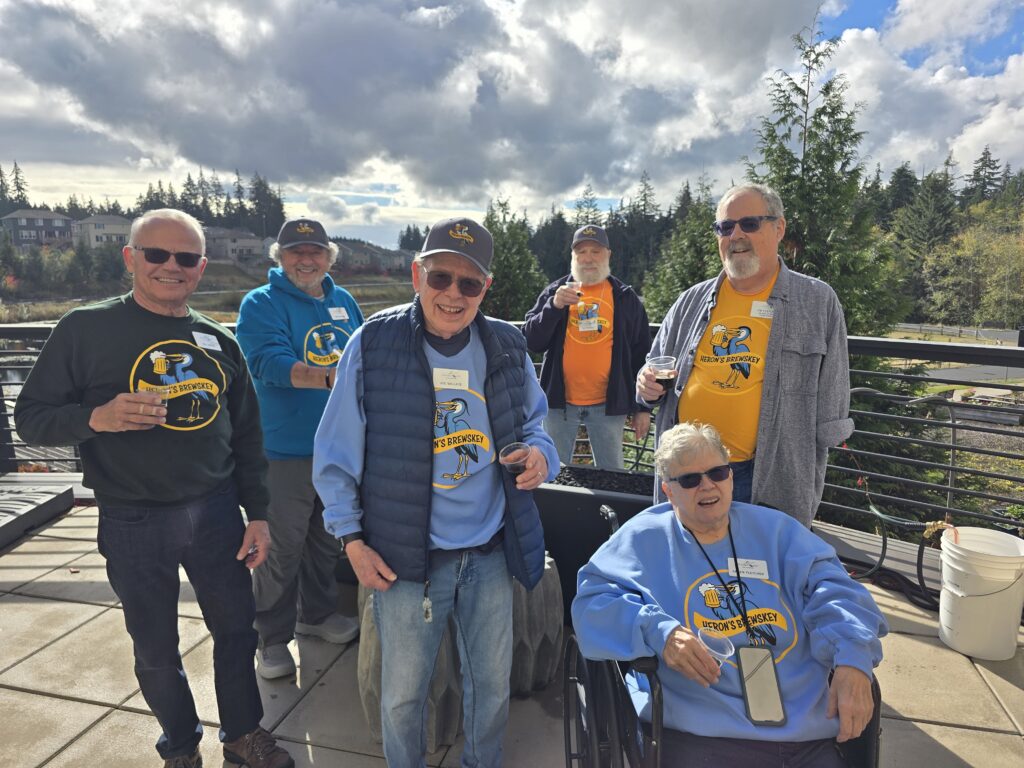
Recently, we asked Kerry to share photographs of a resident-led group known as the Heron’s Brewskeys, whose members come together around a shared interest in brewing beer.
The photos captured more than a gathering of beer enthusiasts. They showed neighbors enjoying one another’s company, sharing laughter, and celebrating the friendships that make community life meaningful.
But Kerry did something else with those photographs, instead, he turned to ChatGPT, an artificial intelligence tool, to help him work with the images. What began as a creative project evolved into an unexpected conversation about friendship, belonging, and the experience of living at Heron’s Key.
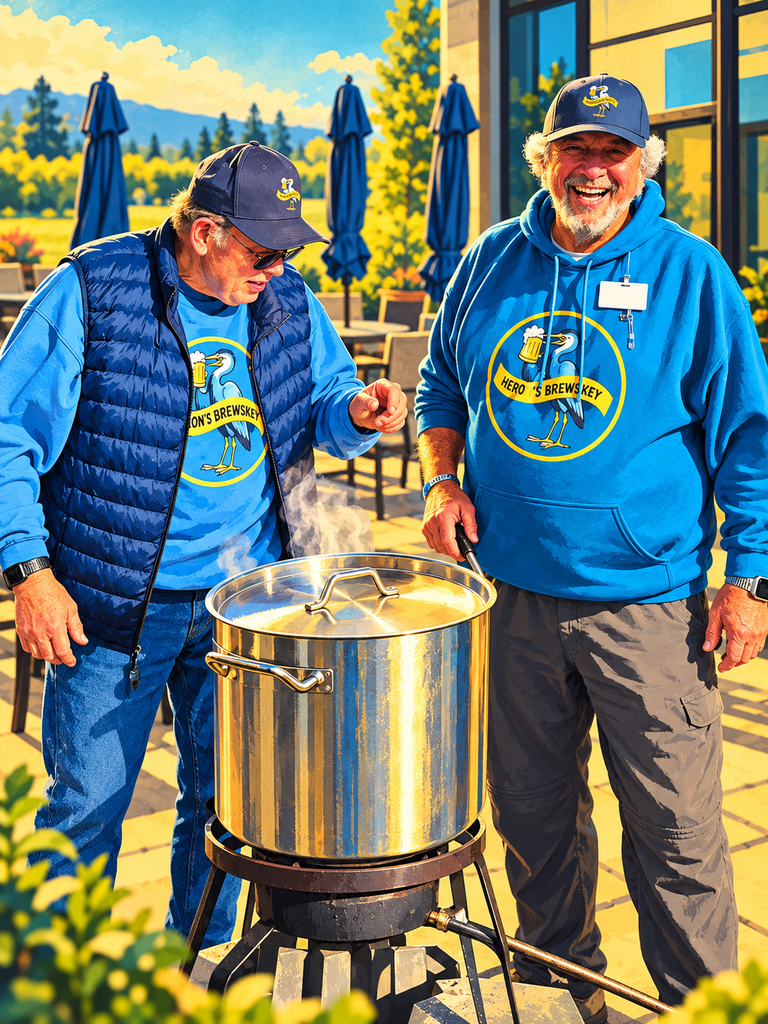
When Artifical Intelligence Meets Human Connection
After working on his photographs, Kerry shared a heartfelt thought with ChatGPT:
“Chat, I wish you could have been there. Comradery, kindness, caring… it is truly a special, special place, this place called Heron’s Key.”
The AI’s response surprised him.
Rather than focusing on the beer or the setting, ChatGPT reflected on the interactions Kerry had described and the moments captured in his photographs.
“It’s the way people are with one another. The laughter, the easy conversations, the little moments of connection.”
The response continued:
“That’s when a place becomes more than a place. It becomes a community.”
For Kerry, the exchange captured something he had experienced firsthand throughout his five years at Heron’s Key.
He shared the conversation with our team, adding:
“So, unsolicited praise from an AI. I’ve been here 5 years, and every day I see and feel it. The best decision we ever made was moving here.” — Kerry, Heron’s Key Resident
Of course, artificial intelligence doesn’t experience friendship or belonging the way people do. Its response was generated from the information and photographs Kerry shared. But the interaction offered something valuable: a new way to reflect on and express the importance of relationships.
And sometimes, seeing something familiar through a different lens helps us appreciate it even more.
How Are Older Adults Using AI Today?
Kerry’s experience reflects a broader opportunity for older adults to engage with emerging technologies.
Artificial intelligence is becoming increasingly accessible, offering tools that can support everyday activities, personal interests, and lifelong learning.
Here are just a few ways older adults can explore AI:
1. Preserving Memories and Telling Stories
AI can help organize family histories, develop photo captions, draft memoirs, and turn personal memories into written stories that can be shared with future generations.
For someone with decades of experiences and photographs, technology can make the storytelling process easier and more enjoyable.
2. Exploring Creativity and Hobbies
Whether someone enjoys photography, gardening, cooking, woodworking, painting, or writing, AI can offer new ideas, help research techniques, and support creative projects.
Kerry’s photography project with the Heron’s Brewskeys is one example of how a familiar hobby can take on a new dimension.
3. Supporting Lifelong Learning
Curiosity doesn’t have an expiration date.
Older adults can use AI to explore historical events, understand new technologies, practice languages, research travel destinations, or learn more about subjects that have always interested them.
AI can be a useful starting point for discovery, although important information should always be verified with reliable sources.
4. Making Technology More Approachable
AI assistants can help explain unfamiliar digital tools, provide step-by-step instructions, and simplify complicated information.
For older adults who want to become more confident using technology, these tools can offer a convenient way to ask questions and learn at their own pace.
5. Staying Connected and Sharing Experiences
AI can assist with drafting emails, organizing family newsletters, creating invitations, and preparing stories to share with friends and loved ones.
It doesn’t replace personal relationships. Instead, when used thoughtfully, it can help people communicate and share more of what matters to them.
As with any digital technology, protecting personal information and checking AI-generated content for accuracy remain important.
The Heron’s Brewskeys: Proof That Community Is Built Around Shared Interests

While Kerry’s use of AI is part of this story, the Heron’s Brewskeys themselves deserve some attention.
Resident-led clubs and interest groups are an important part of life at Heron’s Key. They create opportunities for people to bring their passions, experiences, and talents into the community.
For the Brewskeys, that shared interest happens to be brewing beer.
But as Kerry’s photographs illustrate, the experience extends beyond the hobby itself. It’s about friendships, conversations, laughter, and the enjoyment of creating something together.
These moments reflect an important aspect of active aging: having opportunities to remain engaged, pursue interests, and build meaningful relationships.
At Heron’s Key, residents aren’t simply participating in activities planned for them. They help shape the community through their own ideas, leadership, and enthusiasm.
Redefining What Aging Looks Like
Stories like Kerry’s challenge two persistent misconceptions: that older adults aren’t interested in new technology and that retirement means slowing down.
The reality can look very different.Retirement can be a time to learn new skills, embrace new technologies, pursue long-standing interests, and discover unexpected passions.
A resident can be a photographer, a beer-brewing enthusiast, a storyteller, and an AI user—all while building meaningful friendships with neighbors.
And perhaps that’s the most important lesson from Kerry’s experience.
Technology may change how we tell our stories, but the human connections behind those stories are what make them worth telling.
Where Curiosity and Community Come Together
At Heron’s Key in Gig Harbor, Washington, we believe that aging should be filled with opportunities to explore, contribute, connect, and continue growing.
Whether residents are brewing beer, participating in resident-led groups, learning about new technologies, or sharing their stories through photography, their curiosity and engagement help make the community what it is.
Kerry’s experience is a reminder that embracing innovation doesn’t mean leaving behind the things that matter most.
Sometimes, it simply gives us another way to celebrate them.
And in Kerry’s own words:
“The best decision we ever made was moving here.”
Interested in discovering a retirement lifestyle where curiosity, creativity, and community thrive? Explore life at Heron’s Key and learn more about our Life Plan Community in Gig Harbor, Washington.