Who Will Speak for Me? Webinar on Planning for the Future Without Children, April 8

Heron’s Key DEI Committee and Reflective Structured Dialogues

The Heron’s Key diversity, equity and inclusion (DEI) committee works to ensure the community is a welcoming place for all. One of the most recent efforts of the DEI committee was implementing Reflective Structured Dialogues.

This program dives into a variety of topics and host lectures, roundtables, trainings and facilitates respectful conversations between residents. The Resident Association and DEI committee started planning this program in May and launched the first session in June.

Each session focuses on a specific topic for three months. The first month in the initiative offers a video on the topic, the second month has a presentation by a guest speaker and the third month concludes the initiative with a structured dialogue.

The feedback was positive right from the start. The first session, June through August, covered politics, civic discourse and the election year. Nearly 50 residents participated.

“We started the program in order to facilitate tough conversations with one another but in a respectful manner,” says Oscar Roberto, president of the Resident Association and member of the DEI committee. “The goal is not to change our neighbor’s perspective, but to be open to other people’s opinions.”

In addition to the three-month initiatives, residents and staff can also be trained to become facilitators of the structured dialogues. The YMCA’s Bridge of Hope and Essential Partners offer training to help residents and staff members become certified facilitators. Currently four Heron’s Key staff members and eight residents have completed the training.

The long-term goal is to establish a Heron’s Key system with trained facilitators who can lead more programs within the community and volunteer at local events coordinated by Bridge of Hope.

“It is great to establish a program that ensures no one feels left out of our community because of a differing opinion,” Roberto adds. “We are very proud to have created a safe space to have these conversations and I look forward to seeing friends and neighbors continue to have these types of talks with one another.”

As the next topic, the group will be covering ageism. This initiative will include a presentation by Age-Friendly Seattle about internalized ageism and how to address negative self-talk. It will also include a presentation by Sarah McKiddy from the University of Washington and finish with a structured dialogue.

The DEI committee will continue to implement new initiatives all with the shared goal to strengthen the already strong resident connections, expand understanding and curiosity, broaden perspectives, and prioritize belonging on the Heron’s Key campus.

For those who want to explore the Reflective Structured Dialogues and learn more about ageism, now is a perfect time to get involved.

What is “Assisted Living” and How Much Should It Cost?

At Heron’s Key in Gig Harbor, WA, we understand that choosing the right living arrangement for yourself or a loved one is a significant choice. Heron’s Key offers the full continuum of care as a Life Care community, including Assisted Living.

This article aims to provide insights into what Assisted Living is along with its benefits.

What Is Assisted Living?

Assisted Living is a living option designed for older adults who need some assistance with daily activities but do not require the intensive medical care provided by nursing homes. It offers a balance between Independent Living and the support necessary for day-to-day tasks.

Can Assisted Living Really Improve Quality of Life?

Yes, Assisted Living can significantly enhance the quality of life for seniors by providing a supportive environment that promotes independence, social engagement and access to necessary care services.

Assisted Living: What You Need to Know

What Are the Activities of Daily Living?

Activities of Daily Living (ADLs) include basic self-care tasks such as:

  • Bathing
  • Dressing
  • Eating
  • Using the bathroom
  • Mobility
  • Personal hygiene

What Does Assisted Living Provide?

Assisted Living communities offer a range of services, including:

  • 24/7 nursing staff available
  • Assistance with activities of daily living
  • Medication management
  • Housekeeping and laundry services
  • Chef prepared meals
  • Social and recreational activities
  • Transportation services

How Does Assisted Living Ensure Personalized Care?

Personalized care in Assisted Living is ensured through:

  • Individual care plans tailored to each resident’s needs
  • Regular assessments to adjust care as needed
  • Staff trained to provide specific types of assistance

What’s an Assisted Living at a Life Care Community Like?

Assisted Living at Life Care Community like Heron’s Key, offers a homelike environment with private apartments. Residents can enjoy communal dining areas, recreational spaces and scheduled activities that foster social connections and a sense of community.

What are the Benefits of Assisted Living?

Benefits include:

  • Enhanced safety and security
  • Reduced isolation through social activities and connection to larger community
  • Professional assistance with daily tasks
  • Peace of mind for families

Who lives in Assisted Living at a Life Care community?

Assisted Living residents are typically seniors who need help with daily activities but wish to maintain as much independence as possible. They often seek a community where they can stay active and socially engaged. At Heron’s Key, the connection to the greater community is a major benefit to Assisted Living residents.

What are the requirements for moving into Assisted Living?

Requirements for moving into Assisted Living may involve:

  • A medical assessment to determine the level of care needed
  • Financial qualification to cover the costs
  • Completion of necessary paperwork and agreements

How do I know it’s time for Assisted Living?

Signs it might be time for Assisted Living include:

  • Difficulty managing daily activities independently
  • Safety concerns at home
  • Increased isolation or loneliness
  • Family caregiver burnout

What additional fees are associated with Assisted Living?

Depending on the community, additional fees may include:

  • Entrance fees or deposits
  • Fees for special services
  • Costs for extra meals or guest accommodations
  • Personal care supplies

As part of the continuum of care at Heron’s Key, if you move in as an Independent Living resident, your monthly rate will note change aside from meals and some ancillary fees if you transition to Assisted Living.

Long Term Care Insurance Providers

Does Medicare pay for Assisted Living?

Medicare generally does not cover the cost of Assisted Living, although it may cover some medical services provided within the facility.

Does Medicaid pay for Assisted Living?

Medicaid may cover some Assisted Living costs for eligible individuals, but coverage and eligibility vary by state.

How can I pay for Assisted Living?

Payment options include:

  • Personal savings or retirement funds
  • Long-term care insurance
  • Veteran’s benefits
  • Selling or renting a home

Frequently asked questions about Assisted Living

Q: What is the difference between Assisted Living and a nursing home?

A: Assisted Living provides support for daily activities but not intensive medical care, while nursing homes offer 24/7 medical care and supervision.

Q: Can residents bring their own furniture to Assisted Living?

A: Yes, most facilities allow residents to bring personal furniture and belongings to make their space feel like home.

Q: Are pets allowed in Assisted Living facilities?

A: Policies on pets vary by facility. Some allow pets, while others have restrictions or do not allow them at all. At Heron’s Key, furry friends are welcome!

At Heron’s Key in Gig Harbor, WA, we strive to provide a caring and supportive environment for all our residents. If you have any questions or need more information about our Assisted Living services, please contact us at 877-770-5126.

Featured Image: PeopleImages.com – Yuri A / Shutterstock

Neighborhood Walking Group in Gig Harbor, WA

With average temperatures in the mid-70’s during the summer, residents of Heron’s Key are taking advantage of the beautiful weather and getting outside for their exercise.

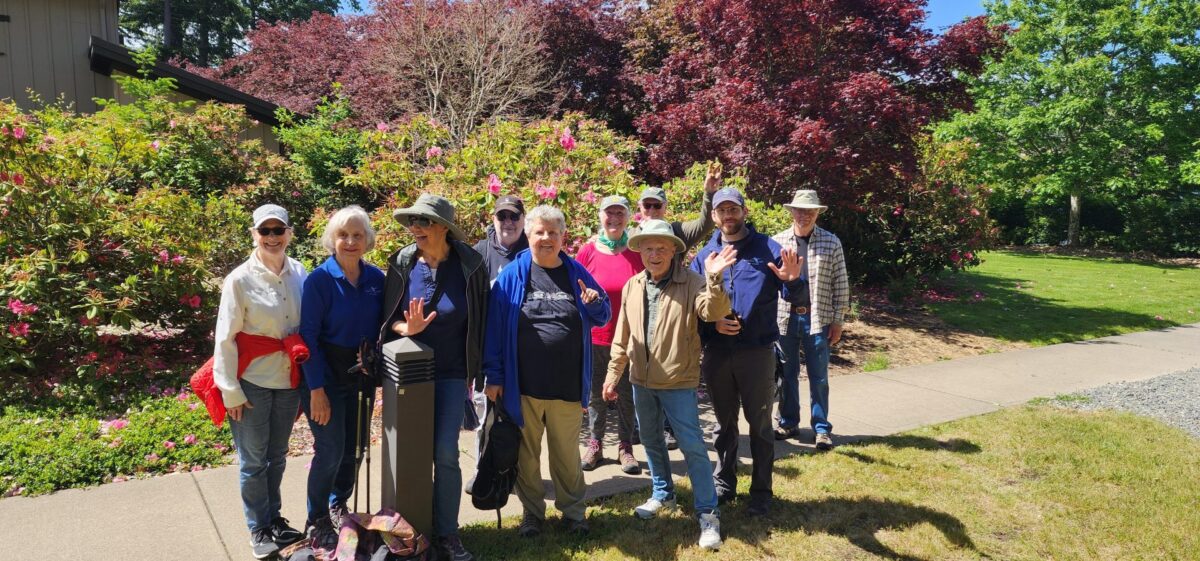
Chuck Abbey and Katie Lodge, fitness specialists at Heron’s Key, meet with residents twice a week as part of a program called “Neighborhood Walks”. Up to 15 people meet in the lobby twice a week to enjoy a walk.

The walks typically last about an hour and depending on the pace, the group can walk as many as four miles. There are dozens of routes they explore either on campus, in neighboring areas, or local trails.

Residents of all different skill levels, walking paces, and abilities participate in the walking group. It is open to everyone and no sign up is required.

Not only is walking a great way to spend time in the beautiful Gig Harbor nature while getting exercise, it is also a wonderful way to socialize.

Chuck says, “We have regulars who join us every week and pick up their conversations right where they left off. Or we mix it up and try to chat with new neighbors during our walks. It is such a great way to connect with friends and get your cardio in all at once.”

Chuck also leads a hiking group in the community which goes on enjoys more intense trails and longer hikes. He says the neighborhood walks are a great introduction to the hiking group if that is something of interest. The hiking group typically goes on 2-3 hikes each month when nice weather allows between May and October.

Neighborhood Walks also operate only when the weather is good. If the paths are slippery from rainfall, the group will cancel the session. It is also halted during the cold winter months so if this sounds fun, now is a great time to check it out.

The Neighborhood Walk times are posted in the Heron’s Key newsletter and Chuck or Katie are always happy to share more information about the group.

Whether you are an avid walker, someone who wants to increase your cardio, or someone who would like to explore the beautiful scenery of Gig Harbor, this is a great group to join. We hope to see you on our next walk!

The Best Age To Move Into Independent Living? While You Can Take Full Advantage of It!

Whether you’re considering a move to a retirement community for yourself or a family member, one of the first questions you’ve probably thought about is how old do you have to be to live in a senior community?

Senior living age requirements vary by community, but most communities have a minimum age threshold of at least 55 or 62. Exceptions are sometimes made for younger spouses or for other family members, depending on circumstances.

You might wonder why someone who’s relatively young would want to live in a senior community. The truth is there are many reasons, and it’s more common than you may think. Plus, you don’t actually have to be retired to live in a retirement community.

Average Age at Move-In Varies by Community Type

It helps to understand that independent living is different from assisted living and other higher levels of care offered in some senior living communities. Independent living is for older adults who don’t require regular assistance with routine tasks such as personal hygiene.

Assisted living is for those who need a little help with usual daily activities—like bathing, dressing or moving around. Otherwise, seniors in assisted living communities are similar to their peers in independent living.

Some communities offer both independent living and assisted living, and some offer additional levels of care as well, including memory support, skilled nursing and rehabilitation therapy following surgery, illness or injury.

Many—but not all—communities that offer independent living and additional levels of care require new residents to be eligible for independent living when they move in, which skews the average age at move-in downward for these communities.

But we’re also seeing a shift toward younger seniors choosing to move to an independent living community.

In truth, there’s no magic number when it comes to the best age for senior living—in part because the aging process affects people so differently.

The right time to move depends more on your health status, lifestyle and personal objectives than on the number of years since you were born.

Misperceptions About Independent Living Lead to Delays in Moving

It’s common for older adults to put off even thinking about moving to a senior living community. Some simply want to stay in their current home as long as they can. Others procrastinate because they believe there’s plenty of time to plan for what may lie ahead.

Independent living communities offer an environment in which seniors can thrive, spending their time engaged in activities they enjoy instead of mundane household chores. Residents have easy access to nutritious meals throughout the day, so if they don’t feel like cooking, they don’t have to. In some communities, the food rivals what you’d expect in a fine dining restaurant.

Many seniors find they’re far more active after moving to an independent living community. They can participate in a variety of exercise classes tailored to their abilities, and many communities have fitness specialists on staff. Other activities provide intellectual stimulation, opportunities to explore new interests and social connections through which friendships can grow.

The older we get, the more challenging it can be to make a big change—like moving to a new community. But when you realize that independent living means leaving behind the drudgery and responsibility of maintaining a home that may no longer suit you and opening your world up to a broad assortment of positive experiences, you may find you’re excited at the prospect!

A common refrain among people who move to independent living communities, once they’ve had a chance to settle in and become familiar with their new lifestyle, is they wish they’d moved sooner. We hear remarks to that effect frequently.

We’ve also heard anecdotes about people who moved into independent living as soon as they could after reaching the age requirement for senior living. They were eager to embrace the convenience, the security and the many other advantages of independent living.

Are You Ready for Independent Living?

Rather than setting a specific age as your target, you may want to use your responses to these questions as a guide for determining the best time to move to an independent living community.

  • Is your home becoming more of a burden than a refuge? Is it getting to be more than you can manage?
  • How’s your health and your family history? Do you foresee any significant challenges in the next few years?
  • Are you content with your current lifestyle or would you like more options for socializing, recreation and expanding your horizons?
  • Would you be more physically active if you had easier access to a fitness center and/or other people around who are similar in age to motivate you?
  • Do you feel safe in your home?
  • Are you tired of cooking or is it getting harder to prepare your own meals?
  • Do you plan to travel more in the years ahead? (Independent living gives you the flexibility to leave whenever you like and stay as long as you want, without having to worry about your home while you’re away.)
  • Would you like to widen your social circle?
  • Could you benefit from downsizing and streamlining your living environment?

Reasons Not To Wait

Life happens, and changes can occur suddenly. Moving to an independent community that also offers additional levels of care gives you more control over where you will live if you should happen to need assisted living or memory care later on.

If you wait until your health needs change, your choices may be limited—and someone else may have to make those important decisions on your behalf. Squaring away those issues now can give you and your loved ones considerable peace of mind.

And if you wait until a decline in health forces you to move, you may not get the full enjoyment of all of the benefits of being in a senior living community.

By deciding to move to an independent living community sooner rather than later, you’ll be giving yourself more time to find a community that truly suits you. Then, you can start living your best life right away, on your terms. You’ll be part of a community where you can age in place comfortably, knowing your care needs down the road will be met.

Independent Living at Heron’s Key

Compared with other senior living communities in our region, we tend to attract younger residents—and it shows. They’re energetic. They’re involved, not just here in our community but also in the larger Gig Harbor community. They volunteer. They start new resident-led interest groups. They participate in, and get loads of satisfaction out of, life.

Along with independent living, we offer assisted living, skilled nursing and rehabilitation.

Recently, we announced plans to expand Heron’s Key, starting with additional independent living residences. The news has created a lot of excitement among residents, staff and the greater Gig Harbor community.

You don’t have to wait until our new independent living apartments are built before joining us. You can move into an available apartment now and start enjoying everything there is to love about our community right away. As a current resident of Heron’s Key, you’ll have priority in choosing one of the new apartments—if you’re interested.

Have Questions?

Learning about senior living takes time, but it’s important to have all the information you need to make an informed decision. We’re here to answer your questions about Heron’s Key or retirement living in general.

If you’d like to come have a look around, contact us to schedule a visit. It’s a great way to get a feel for what it would be like to live here, and you can chat with a few who already do!

Meet Jamie Mendez: Going Beyond Hospitality at Syren’s Grill

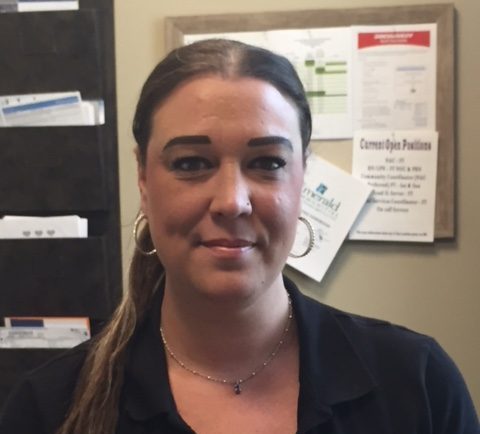
Jamie Mendez, a hostess at Heron’s Key, knows what it takes to make residents feel welcome in their community. For the past five years, Jamie has worked at Heron’s Key and continues to provide residents with amazing service every day, whether she is walking around the community or stationed at the Syren’s Grills hostess stand.

Jamie’s expertise goes beyond hospitality, as she creates long-standing relationships with each and every resident. Anyone who witnesses Jamie’s daily interactions with the residents can see that her favorite part of her job is cultivating these special connections.

“The residents share incredible life stories that will continue to guide me throughout my own experiences,” says Jamie. “They are so open to telling me their favorite memories, while providing advice. Each resident always puts a smile on my face.”

Jamie believes that everyone should experience a sense of belonging in the community, which is why she goes out of her way to create a welcoming environment through social interactions with residents. If she sees someone who needs a dinner buddy, she knows exactly who to pair them with.

Jamie has been in the hospitality industry for most of her life and has enjoyed the different places her career has taken her. From working at a coffee shop at 15 years old to bartending to housekeeping, Jamie knew that she wanted to stay in this industry because of the relationships that can be built with peers and customers.

Her experience in the hospitality industry has led her to Heron’s Key and we could not be more grateful. Jamie says, “Working at Heron’s Key has been one of the most rewarding experiences and I wake up every day excited to come to this wonderful community.”

Jamie was born in Bremerton, Washington but has enjoyed venturing to different cities and states throughout her life. She experienced life in South Dakota and California before eventually finding her way back to Port Orchard, Washington and deciding to call it her home.

Outside of work, Jamie enjoys cooking and trying new recipes. She especially loves to play around with older recipes and make them her own. Jamie also loves exploring the great outdoors. She spends lots of time in her yard as she finds it both rewarding and relaxing. She also takes regular trips to the beach to swim in the ocean and especially enjoys it when her family can join her at the beach to spend time at a place they all love.

Team members like Jamie truly make Heron’s Key a special place to call “home”.

5 Excellent Exercises for Seniors—and You Can Do Them at Home!

Using the age of 65 to define the senior population is in many ways an arbitrary choice. Ask many adults who’ve celebrated that milestone birthday, and they’ll tell you they certainly don’t feel like a senior citizen.

Still, over the decades, our bodies undergo changes no matter how much we try to fend off the effects of time. Some of these changes mean the fitness activities we’ve engaged in are no longer recommended as senior workouts. But there are plenty of safe options that can be incorporated into an exercise program for seniors—as you’ll discover when you keep reading.

Staying Active Is Vital for Older Adults

While engaging in physical activity is important for people of all ages, being active is especially crucial to older adults who want to remain as healthy and independent as possible, for as long as possible.

Not only can a physical exercise routine help prevent or alleviate the symptoms of heart disease, high blood pressure, depression and diabetes, it can also help with balance, muscle strength, bone density, mood and sleep quality.

Compared with their sedentary peers, older adults who are physically active tend to:

  • Feel more energetic
  • Enjoy a more consistent positive outlook
  • Benefit from improved cognitive health
  • Experience a higher quality of life
  • Be more likely to perform activities of daily living (such as eating, dressing, bathing and getting in and out of bed or a chair) with little or no assistance
  • Have a lower risk of injury from falling

Senior Exercises Should Emphasize Safety First

Some older adults have never stepped foot inside a gym or even given exercise much thought. Others may have been physically active in their younger years but shifted their priorities as the responsibilities of raising a family or advancing their career required more time and energy.

If you’re new to exercise or looking to gradually get back into it after being sedentary for a while, it’s always a good idea to talk with your physician before getting started on a new routine. This is also true if you have any chronic illnesses or physical limitations such as mobility issues.

Regardless of your level of fitness, think about consulting a fitness professional or doing some online research about specific activities or exercises you’re planning to do. A simple search on the internet using a phrase such as “safe senior exercises” is a good place to begin—as long as you rely on trustworthy sources.

Many types of exercises suggested specifically for older adults address multiple desired outcomes, such as improved balance, strength, flexibility and endurance. Some low-impact exercises, such as water aerobics and chair yoga, are often recommended for those who have achy joints from arthritis or other health conditions.

Remember, any senior exercise program should place your safety above all else!

No Need To Join a Gym

The thought of walking into a fitness facility might feel intimidating—unless it’s one like our fitness center at Heron’s Key, where everyone except the fitness specialists is in your age group.

If you prefer some privacy as you begin your physical activity routine, you can go online and find a wide array of exercises for seniors at home, many with videos you can watch to make sure you’re doing them properly.

These basic exercises will help you get started.

Bridge

You can do this exercise while lying on a mat on the floor, on a carpeted floor or on your bed. It builds strength in the muscles of your back body while also stretching the muscles in the front of your body. It’s an especially good exercise for anyone who sits a lot.

  1. Lie on the floor, face up, with your knees bent and your feet flat on the floor.
  2. Place your arms at your sides, palms facing down.
  3. Lift your hips up into the air so your knees, hips and shoulders are in a straight line.
  4. Squeeze the muscles in your buttocks and hold this position for several seconds.
  5. Slowly, and with control, lower your hips back to the floor.
  6. Repeat several times.
  7. As you get stronger, you can hold the pose longer and do more repetitions. Eventually, you can try lifting one leg straight up toward the ceiling as your hips are raised and then alternate with the other leg.
  8. Be sure to relax your neck while doing this exercise.

Wall Push-Ups

Push-ups use your body weight to build strength in your chest, arms, shoulders and core.

  1. Stand straight, facing a wall, about a foot away from the wall.
  2. Place your hands on the wall at shoulder height and a little more than shoulder-width apart.
  3. Walk your feet back away from the wall, keeping your body in a straight line.
  4. Tighten your core muscles and your buttocks.
  5. Bend your elbows and bring your chest toward the wall.
  6. Straighten your elbows and take your chest back away from the wall.
  7. Repeat several times.
  8. As you get stronger, you can do more repetitions and make the exercise more challenging by stepping farther away from the wall.

You can do regular push-ups on the floor if you prefer, making them less strenuous by keeping your knees on the ground while you raise and lower your upper body. You can also do chair push-ups, standing behind a sturdy chair and pushing down on the back of the chair with your hands while you raise and lower your body toward the back of the chair.

Bird Dog

This exercise helps improve balance and stability by creating a stronger core. It works muscles along your spine and in your upper back and shoulders, as well as your abdominal muscles, glutes (in your buttocks) and hamstrings.

  1. On a mat or carpeted floor, get onto your hands and knees. Be sure your hands are directly beneath your shoulders and your knees are directly under your hips.
  2. Lift and extend one leg behind you while reaching the opposite arm out in front of you. You should form a straight line from the tips of your fingers on the outstretched arm to your toes on the leg stretched out behind you. Keep your eyes on the floor below you.
  3. Return your hand and knee to the floor so you’re in the same position in which you started.
  4. Repeat on the opposite side.
  5. Alternate sides several times.
  6. As you get stronger and steadier, you can incorporate crunches by bringing your elbow to meet your knee (while gently arching your back) and then stretching your arm and leg out again before returning your hand and knee to the ground.

Knee-to-Chest Stretch

If you have tension in your lower back and hips, this stretch can help alleviate that. It can also improve your flexibility and range of motion in your hips and hamstrings.

  1. Lie on the floor (on a mat or carpet) with your knees bent and feet flat on the ground.
  2. Clasp your hands around one knee and bring it in toward your chest.
  3. While keeping your lower back pressed to the floor, hold your knee to your chest for 15 to 30 seconds.
  4. Relax and return to your starting position.
  5. Do the same movement with the other knee.
  6. Do several repetitions on each side.

If you have any discomfort in your knees, you can clasp your hands around the back of your thigh instead of around your knee. Also, it may feel better for your back if you keep the opposite leg flat on the floor (instead of bent at the knee) while bringing your knee toward your chest.

Single Leg Balance

As you start doing this exercise, you may want to stand with one hand against the wall or hold on to the back of a sturdy chair for support. As your balance improves, you may not need any support.

  1. Stand with your feet hip-width apart, hands on your hips.
  2. Lift one foot off the floor, bending your leg at the knee, and raise your foot behind you while keeping your knees even.
  3. Hold for 10 to 30 seconds.
  4. Lower your foot to the ground and repeat on the opposite side.
  5. Do several repetitions on each leg.

How Often Should You Exercise?

The Centers for Disease Control and Prevention (CDC) recommends that seniors engage in activities of moderate intensity for at least 150 minutes a week. Brisk walking, lively dancing, swimming and bike riding are examples of moderate-intensity activities. You can aim for 30 minutes per day, five days a week, or break it up into shorter blocks of time.

Older adults should also participate in muscle-strengthening activities at least twice a week and balance activities on most days, according to the CDC.

Physical Activity Is Part of Our Holistic Approach to Wellness

If you’d like to learn more about how residents at Heron’s Key enjoy staying active, we invite you to come have a look around. We’ll show you our beautiful community and tell you all about the amenities we offer, including our fitness center.

While you’re here, you can talk with some of our residents to find out what they like most about living at Heron’s Key. To arrange a visit, contact us or call (877) 892-7129.